
How AI-Powered Wearables Will Revolutionize Marketing: The Future is Already Here
Picture this: You're walking past a Starbucks on your lunch break. Your smartwatch detects elevated stress hormones from your morning meeting marathon, notices it's 2 PM (prime caffeine crash time), and your personalized AI assistant gently suggests, "Hey, want to try that new lavender latte? It might help with stress, and there's no line right now." You say yes, and boom. Purchase complete through your wearable.
Sound like science fiction? It's happening sooner than you think.
The global wearables market is racing toward $185 billion by 2030, and AI integration is the rocket fuel driving this explosion. For marketers, this isn't just another tech trend to monitor from a distance. It's a paradigm shift that will fundamentally change how brands connect with customers.
Let's explore what's coming and, more importantly, how you can prepare for it.
Beyond the Fitness Band: Where AI Wearables Are Actually Heading
Current State: Pretty Cool, But Just the Beginning
Today's smartwatches and fitness trackers collect basic data. Steps walked, heart rate, maybe sleep patterns. They're basically fancy pedometers with phone notifications.
But AI is transforming these devices from passive data collectors into proactive life assistants. Instead of just counting your steps, they're learning your patterns, predicting your needs, and making intelligent recommendations.
The Real Game Changers Coming
Modern AI wearables integrate multiple sensors that capture far more than movement. Skin conductance sensors detect stress levels. Optical sensors monitor blood oxygen. Some experimental devices even track facial micro-expressions through tiny cameras.
The magic happens when AI processes all this data in real-time. Your wearable doesn't just know you exercised. It knows you're stressed, tired, excited, or focused. It understands context, learns your preferences, and can predict what you might need next.
Think of it as having a personal assistant that never leaves your wrist and gets smarter every day.
The Cool Stuff That's Actually Possible (Not Sci-Fi)
Emotional Intelligence on Your Wrist
Future wearables will read your emotional state through multiple biometric signals. Stress patterns, voice tone analysis, even micro-movements can indicate mood shifts.
Imagine a marketing world where campaigns adapt in real-time to your emotional state. Feeling anxious? Your wearable might suggest calming content or products. Excited about weekend plans? Time for adventure gear recommendations.
Augmented Reality That Actually Works
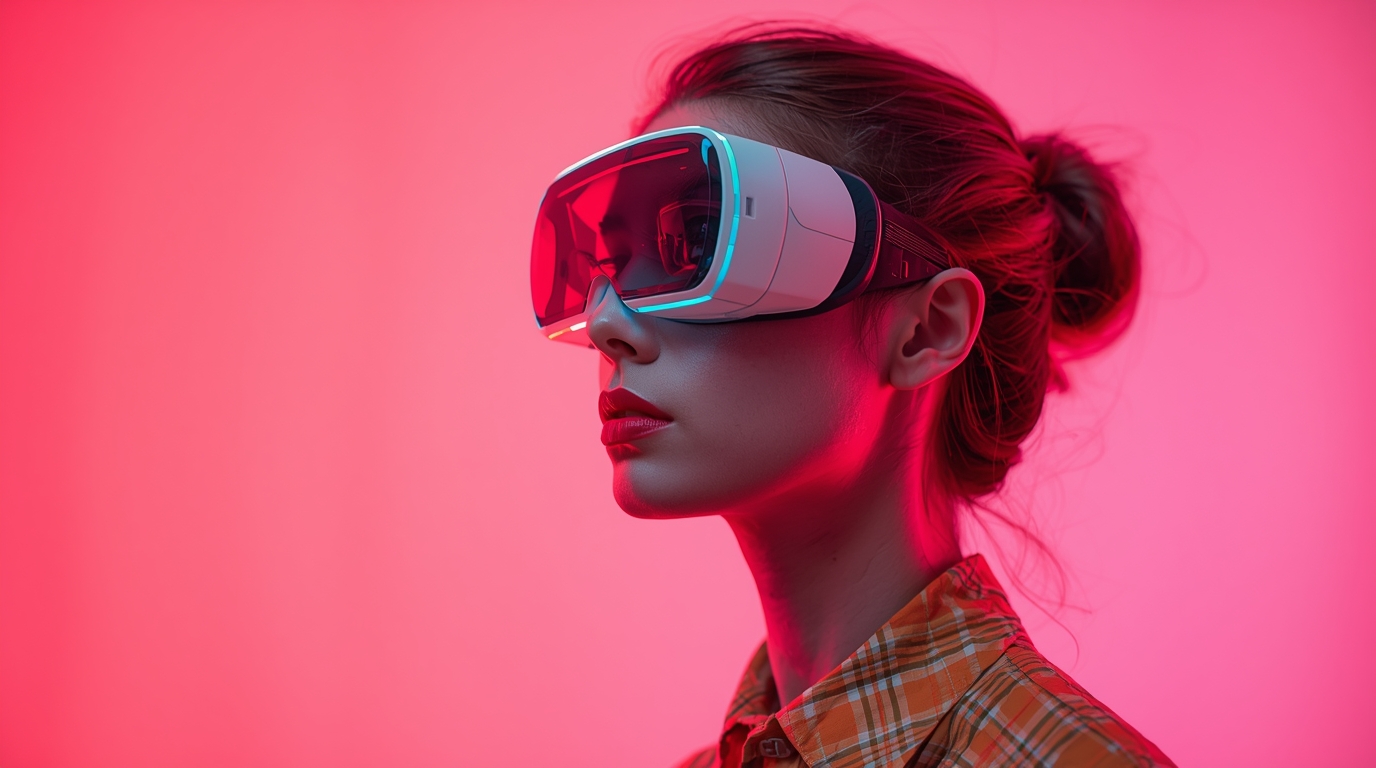
Smart glasses are getting lighter, more powerful, and less dorky-looking. AI will overlay contextual information directly onto your field of vision.
Walk into a store, and product reviews, price comparisons, and personalized recommendations appear floating next to items. The physical and digital shopping experience merge completely.
Predictive Health Marketing
AI wearables will predict health issues before symptoms appear. Continuous monitoring combined with machine learning can spot patterns indicating everything from oncoming colds to more serious conditions.
For marketers, this opens entirely new categories. Preventive health products, wellness services, even food recommendations based on nutritional needs your body hasn't consciously recognized yet.
Your AI Avatar Shopping Buddy
Personal AI assistants will live on your wearables, learning your preferences, style, and decision-making patterns. These avatars could negotiate purchases, compare products, and make recommendations with your unique personality and constraints in mind.
They'll know you prefer sustainable brands, have a budget limit, and always buy two sizes up in that one store. Better than any human shopping assistant because they never forget and never judge.
Smart Environment Integration
Wearables will communicate seamlessly with smart environments. Your device talks to store sensors, your car, your home, even public spaces.
Walk into a restaurant, and your dietary preferences, allergies, and current health goals automatically inform personalized menu suggestions. No apps to open, no information to input. It just works.
Marketing Opportunities That Will Change Everything
Hyper-Personalization That Actually Feels Personal
Current personalization is basically "people who bought this also bought that." AI wearables enable personalization based on real-time biometric and contextual data.
Feeling stressed at work? Your favorite coffee shop sends a notification about their new calming tea blend. Training for a marathon? Athletic brands offer recovery products right when your muscles need them most.
The key is moving from demographic targeting to physiological and emotional targeting. Much more precise, much more valuable.
Location Plus Context Equals Magic
GPS tracking is old news. AI wearables understand context within location. They know the difference between "at the gym" and "walking past the gym to the grocery store."
Marketing messages become incredibly relevant. You're not just near a restaurant, you're hungry and have 30 minutes for lunch. Different message, different offer, much higher conversion rate.
Loyalty Programs That Actually Build Loyalty
Traditional loyalty programs track purchases. AI wearable programs can track engagement, satisfaction, even physiological responses to products and experiences.
Did your heart rate spike positively when you tried that new workout class? The fitness studio knows and can offer personalized follow-up programs. Did your stress levels drop after using a particular product? Perfect data for retention marketing.
New Data Streams for Smarter Segmentation
Forget demographic segments like "25-34 year old males." Try segments like "high-stress professionals who exercise inconsistently but respond well to gentle motivation" or "health-conscious parents who prioritize family time over personal fitness."
Behavioral and physiological data creates segments that are actually meaningful for product development and marketing strategy.
AI Avatars as Brand Ambassadors
Personal AI assistants become natural brand ambassadors. If your avatar learns you love sustainable products, it might naturally recommend eco-friendly brands.
But here's the interesting part: these recommendations feel organic, not like advertising, because they come from your personalized assistant who genuinely knows your preferences.
The Challenges Smart Marketers Are Already Solving
Privacy Without Paranoia
Biometric data is incredibly sensitive. One wrong move and you're the brand that violated trust in the most personal way possible.
Successful marketers are building privacy-first strategies. Transparent data policies, user control mechanisms, and clear value exchanges. "We use your stress data to suggest better products, and here's exactly how we protect that information."
Personalization vs. Creepiness
There's a fine line between helpful and creepy. Suggesting coffee when you're tired? Helpful. Suggesting antacids because your stomach acid levels spiked? Maybe too much.
The solution is gradual trust building. Start with obvious, beneficial uses. Let customers opt into more advanced features as they see value and build comfort.
Avoiding the Tech Elite Trap
Early wearable adopters skew wealthy and tech-savvy. Smart marketers are planning for broader adoption, ensuring their strategies work for diverse demographics and income levels.
This means considering non-premium wearables, accessibility features, and marketing messages that don't alienate people who aren't tech enthusiasts.
Keeping Up With Rapid Evolution
Wearable capabilities are evolving fast. What's cutting-edge today is basic tomorrow. Successful marketers are building flexible strategies that can adapt to new features and capabilities.
This requires staying close to the technology, experimenting with pilot programs, and building relationships with wearable manufacturers and AI developers.
What You Can Do Right Now (No Crystal Ball Required)
Start Small, Think Big
You don't need to wait for brain-computer interfaces. Current smartwatches already offer notification systems, basic health data, and location awareness.
Experiment with simple campaigns: workout motivation notifications, location-based offers, or health-focused content delivery. Learn the mechanics before the big opportunities arrive.
Build Your AI and Wearable Knowledge
Assign someone on your team to become the wearable expert. Have them track industry developments, test new devices, and understand consumer adoption patterns.
Knowledge compounds. Start learning now, and you'll spot opportunities others miss.
Partner with Tech Companies
Wearable manufacturers and AI companies need marketing partners who understand their technology's potential. These partnerships provide early access to new capabilities and valuable learning opportunities.
Plus, you might influence feature development by explaining marketing use cases developers haven't considered.
Focus on Consumer Education
Many potential customers don't understand wearable benefits beyond fitness tracking. Content marketing that educates about AI wearable capabilities builds awareness and positions your brand as forward-thinking.
Create content about wearable privacy, practical applications, and future possibilities. Be the brand that helps people understand this technology shift.
Develop Ethical Guidelines Now
Don't wait for regulations or consumer backlash. Develop internal guidelines for ethical wearable marketing. How will you use biometric data? What are your privacy commitments? How do you ensure marketing feels helpful, not invasive?
Companies that self-regulate effectively build consumer trust and avoid future problems.
Quick Wins You Can Implement Today
- Apple Watch Integration: Set up basic notifications for your app or service
- Fitness App Partnerships: Collaborate with popular fitness apps for integrated marketing
- Location-Based Offers: Use current wearable location features for contextual promotions
- Health Content Marketing: Create content about wellness topics relevant to wearable users
- Employee Testing: Have your team use various wearables to understand user experience
The Bottom Line
AI-powered wearables represent the next frontier in customer connection. They enable marketing that's personal without being intrusive, helpful without being pushy, and predictive without being creepy.
The brands that succeed will be those that start experimenting now, build trust carefully, and focus on genuine value creation rather than just data extraction.
The future of marketing isn't just digital. It's physiological, emotional, and contextual. It's about understanding customers at a level that's never been possible before.
Your customers are going to wear AI. The question is whether your brand will be smart enough to connect with them through it.
The wearable revolution isn't coming. It's here. Time to get on board.